

Sitting with Ralph
On the patience it takes to slowly heal

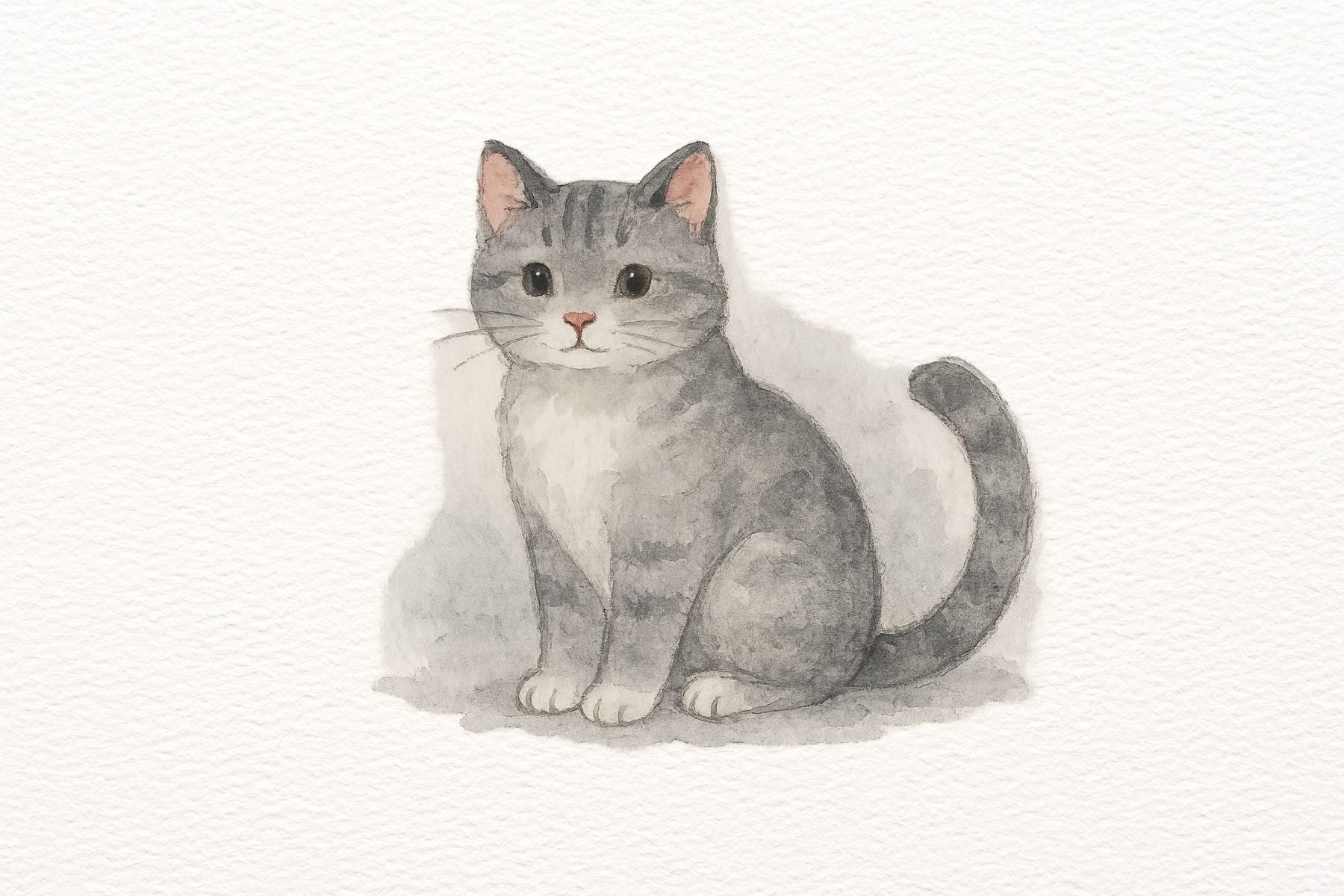
It was the fall of 2021. I was cat-sitting for Ralph and his brother, Rascal.
The job was relatively easy and genuinely delightful. They were the sweetest cats, gentle and calm. I would bring in the mail, replace their water dishes, feed them, and change their litter box. It took just a few minutes in the morning and the evening before I was on my way.
Except that is, when Ralph had to take his medicine.
When his owners gave me instructions, they explained that Ralph needed a pill to help him digest his food. They showed me how to give it to him: wrap the pill in a “pill pocket,” place it in front of him, and wait for him to eat it. When they demonstrated, he sniffed it, then gobbled it up in seconds.
Unfortunately, that’s not how it went for me.
After Ralph had finished eating, I gently placed the pill in front of him and waited. He sniffed it and then continued on his way, leaving it untouched—and leaving me perplexed.
I followed him to the living room and placed it in front of him again. He could not have been less interested.
I spent the next hour trailing him from room to room, trying every strategy I could think of. I placed it down and then hid around the corner, thinking maybe privacy would help. It did not.
When he leaped on the back of the couch, I placed the pill in front of him. He stared at it for the longest time as I pleaded, “Ralph, you gonna eat it, buddy?”
No luck.
Finally, emotionally exhausted, I went home for a break.
When I returned, I sat on the couch beside him, petting him gently.
I have a photo of him curled up next to me, the pill resting right below his nose. And I think that was the moment I finally accepted the truth: there was nothing I could do to make him take it. No perfect strategy. No clever trick. No speeding up the process.
All I could do was sit beside him and wait until he was ready. And as I surrendered—as I accepted this reality—I finally felt peace.
I leaned back on the couch beside him, said a quiet prayer, and waited.
And then, a few minutes later, I watched in wonder as he turned his head, opened his mouth, and promptly gobbled up the pill. As if it were the easiest thing in the world. As if to say, What were you so worried about?
And I felt in my bones that Ralph was teaching me something about healing.
Because at the time, I was dealing with health issues that had no clear diagnosis and no timeline. I wanted answers. I wanted them fast. I wanted control. And I believed that if I just tried hard enough, I could force it.
Sometimes healing is straightforward—six weeks in a cast, two months of physical therapy, six months of supplements. But many of us wrestle with conditions that are ambiguous and evolving: chronic illness, chronic pain, mental illness, and addiction. They look different for each person and often shift over time, making them hard to define, let alone resolve.
Sitting with Ralph reminded me that some healing happens slowly. We can’t always predict what our bodies will do—or refuse to do. The more we try to rush the process, the more disappointed we become. The more we resist the slowness of healing, the more painful it feels.
Now, years later, I still remember what Ralph taught me about slow healing. How hard it can be to sit and wait. How much patience it takes to endure. The frustration of trying to will something to happen. And the peace we find when we stop chasing a quick fix and begin believing this:
Our bodies and minds are worthy of healing—no matter how long it takes.
Thanks for reading Crafting a Life of Love! I hope this story helps you move closer to love, beauty, and hope in your everyday life. If you’d like to encourage a friend, please share this post.
Want to receive more encouragement? Connect with me on Instagram!
“Buy Me a Coffee” is a service that allows readers to support creators. If this post encouraged you, you can show your appreciation by offering a small contribution!
